
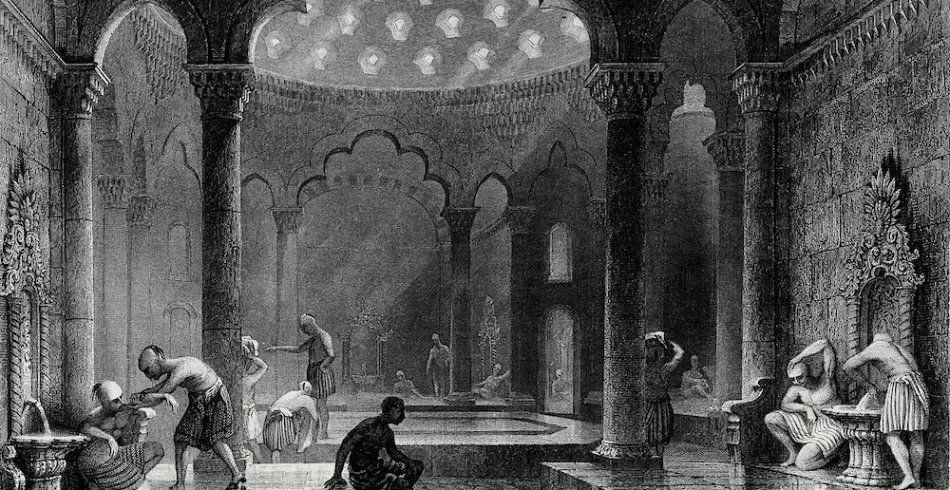
Turkish hammam history reveals how public bathing, hospitality, and daily life evolved at the crossroads of civilizations. Rooted in Byzantine and Roman traditions and later enriched by Islamic practices, it shaped Turkish bath culture and contributed to distinct hammam architecture. In the Ottoman era, grand Ottoman bathhouses were funded by mosques and palaces, becoming social arenas where merchants, students, and families met, with a regulated Turkish bath rituals sequence guiding cleanliness and warmth. The enduring rituals—steam, exfoliation, and massage—formed a communal language while preserving modesty, hospitality, and bathhouse traditions in Turkey across genders and generations. Today, historic hammams balance preservation with modern tourism, inviting visitors to experience a living heritage that continues to shape contemporary life in Turkey.
From Anatolia’s towns to the grand capitals of the former empire, these steam-centered complexes grew into social hubs where hospitality and daily life unfolded. Rather than naming them hammams, one might describe public bathing houses, warm rooms, and ceremonial cleansing suites that anchored a regional wellness tradition. Architectural features like domed roofs, polished marble, and precise heat management created a thermal journey that balanced ritual privacy with communal warmth. Today, scholars and visitors revisit this heritage through museum displays, guided tours, and storytelling that contextualize the bathhouse’s role in Turkish social and cultural life.
Turkish Hammam History: Tracing a Cultural Continuum
The Turkish hammam history sits at a crossroads of Byzantine and Roman bathing traditions, Islamic cleanliness laws, and local Anatolian innovations. Through this blend, public spaces for cleansing and sociability emerged, forming the bedrock of Turkish bath culture that would later be refined under imperial patronage. The earliest hammam-like structures reused urban baths and adapted to climate, materials, and rituals, creating a uniquely Turkish expression of bathhouse life.
As urban centers grew under the Ottoman banner, bathhouses gained new roles as charitable institutions and architectural showpieces. The integration of hammam architecture with mosque endowments, palace commissions, and market life produced facilities that were as much instruments of civic identity as places to wash. Over centuries, Turkish bath culture evolved into a standardized ritual sequence—preparation, steam, scrubbing, and rinsing—while still absorbing regional customs, weather, and urban realities.
Turkish Bath Culture and the Rise of Communal Baths
From neighborhood baths to imperial complexes, Turkish bath culture grew as a social theatre. People gathered not only to cleanse but to exchange news, conduct business, and celebrate rites of life. The hammam functioned as a democratic space where merchants, students, and families encountered one another, reinforcing social bonds within a framework of modesty and ritual restraint.
Religious endowments and social welfare policies funded Ottoman bathhouses, reinforcing the link between hospitality and statecraft. Within this context, the architecture and service models supported inclusive participation while preserving gender-segregated spaces and etiquette that shaped daily life in Turkey’s cities and towns.
Ottoman Bathhouses: Architectural Grandeur and Urban Networks
These monumental baths showcased hammam architecture at its peak: grand domes, vaulted marble, and complex heating channels that produced steady warmth across rooms. The urban network of bathhouses connected markets, mosques, and schools, turning bathing into a civic routine rather than a private act.
Designers optimized efficiency with hydro-thermodynamic systems, variable alcoves, and carefully arranged spaces for social interaction. The architectural language—domed ceilings, ornate tilework, and water-driven heat—became a tangible symbol of Ottoman identity and hospitality within the city fabric.
Hammam Architecture: Form, Space, and Ritual Interaction
Form follows function in the hammam: the progression from cool to hot spaces mirrors the body’s preparation for purification, while materials like marble and plaster support humidity and heat management. The spatial logic encodes etiquette and privacy, enabling intimate rituals without sacrificing communal warmth.
Beyond aesthetics, architecture communicates hospitality and belonging. The design invites conversation, guided attention, and ritual pacing, with separate zones and flexible areas that adapt to guests’ needs. The sensory language of steam, heat, and stone shapes collective memory around bathhouse culture in Turkey.
Turkish Bath Rituals: Preparation, Scrub, and Renewal
Turkish bath rituals unfold as a rhythmic sequence: cleansing, inhaling warm air, applying olive oil and soap, and using a kese to exfoliate dead skin. The attendant’s touch follows the tempo of steam and heat, aligning with the unspoken etiquette of the bathhouse culture.
Massages, rinses, and final cooling wrap up the experience, with the peştemal towel serving as a graceful, modest wrapper. These rituals demonstrate how daily hygiene merged with social ritual, making the bath a place for renewal, conversation, and lasting memories within Turkish bath rituals and traditions.
Preserving Bathhouse Traditions in Turkey: Modern Life, Tourism, and Continuity
Today, historic hammams coexist with modern spa facilities and museums. Preservation efforts focus on keeping heating methods, plasterwork, and spatial integrity intact while welcoming new visitors. The experience offers tangible connections to the past and supports sustainable tourism that respects bathhouse traditions in Turkey.
Communities, across Istanbul to Anatolia, blend heritage with contemporary services, using hammams as cultural venues where performances and education occur. The enduring appeal lies in balancing authenticity with accessibility, ensuring Ottoman bathhouses and other historic sites remain relevant in a global, fast-paced world.
Frequently Asked Questions
What are the defining phases of Turkish hammam history and how do they reflect Turkish bath culture?
Turkish hammam history traces a continuum from ancient Mediterranean bath culture through Byzantine and Roman influences into the Ottoman era. Early baths reused existing urban facilities and gradually integrated features of Turkish bath culture, such as a sequence of rooms, heat management, and ritual bathing.
How did Ottoman bathhouses influence hammam architecture within the broader Turkish hammam history?
Ottoman bathhouses expanded networks and were often funded by mosques and palaces, making hammam architecture a showcase of stonework, domes, and tilework. In Turkish hammam history, architects designed layered spaces and heating systems that supported a ceremonial bathing sequence.
What are the core Turkish bath rituals that have endured in the Turkish hammam history?
The core rituals include steaming, washing with soap, applying olive oil, scrubbing with a kese, and rinsing, often followed by a massage. These practices are central to Turkish bath rituals and reflect values of cleanliness, modesty, and social interaction within Turkish bath culture.
How have regional variations shaped bathhouse traditions in Turkey within the Turkish hammam history?
Regional variations range from grand imperial baths in Istanbul to intimate family-centered centers in Anatolia, but the fundamental hammam architecture and the ritual sequence remain consistent. This regional diversity is a hallmark of the Turkish hammam history and shows how bathhouse traditions in Turkey adapted to local tastes while preserving core practices.
How does modern life reflect the preservation or evolution of Turkish bath culture in today’s hammams within Turkish hammam history?
Today, historic hammams are preserved and integrated with museums, cultural centers, and tourism. Contemporary hammams balance authentic Turkish bath rituals with health standards and accessibility, illustrating how Turkish bath culture remains vibrant in modern life.
What role does Turkish hammam history play in literature, film, and art about Ottoman bathhouses?
Turkish hammam history informs literature, cinema, and visual art by capturing the sensory atmosphere of steam rooms, marble, and social spaces in Ottoman bathhouses. These depictions reflect bathhouse traditions in Turkey and the enduring hospitality and community ethos embedded in Turkish bath culture.
| Aspect | Summary |
|---|---|
| Origins and Early History | Roots in Mediterranean and Middle Eastern bathing traditions; Roman/Byzantine influence; Islamic purification concepts; gradual adoption in Anatolia with distinctive Turkish features. |
| Ottoman Era and Communal Hammams | Expanded networks across the empire; funded by mosques, charitable foundations, and palaces; hammams as social spaces; standardized bathing rituals; notable architectural milestones. |
| Architecture and Design: Form Follows Purpose | Sequence of rooms (warm reception, warm room, hot room, cool-down); domed ceilings; marble surfaces; efficient heat channels; design encodes privacy and communal interaction. |
| Rituals, Social Life, and Everyday Meaning | Kese (exfoliation), olive oil and soap use, massages; socializing and life events; peştemal as modesty symbol; rituals evolve with social change. |
| Regional Variations and Local Adaptations | Istanbul’s imperial baths with opulent decoration vs. smaller town centers; Anatolia and Aegean regions show local stone, tilework, and motifs while core rituals persist. |
| Hammams in Modern Life: Preservation, Tourism, and Change | Historic hammams alongside modern spas; preservation of heating methods and plasterwork; cultural venues and sustainable tourism. |
| Hammam Identity in Literature, Film, and Art | Hammams feature in literature, cinema, and visual arts as spaces of intimacy, community, and transformation. |
Summary
Turkish hammam history is a living chronicle of hospitality, hygiene, and community that stretches from ancient baths to contemporary cultural experiences. In this descriptive overview, the hammam emerges as a dynamic institution shaped by Byzantine and Roman precedents, Islamic purification concepts, Ottoman patronage, and local adaptations across Anatolia and beyond. Architecture, ritual, and social life converge to make hammams not only places of cleansing but forums for exchange, art, and identity. Today, preservation, tourism, and education continue to keep these spaces relevant, inviting visitors to experience warmth, ritual, and shared space while reflecting on a rich heritage. Understanding Turkish bath culture reveals how health, art, and society have intertwined across centuries, and how the Turkish hammam history endures as a living tradition that informs contemporary life and cultural memory.